Relationships
Alone in a Crowd: The Psychology of Loneliness and How to Reconnect
Published
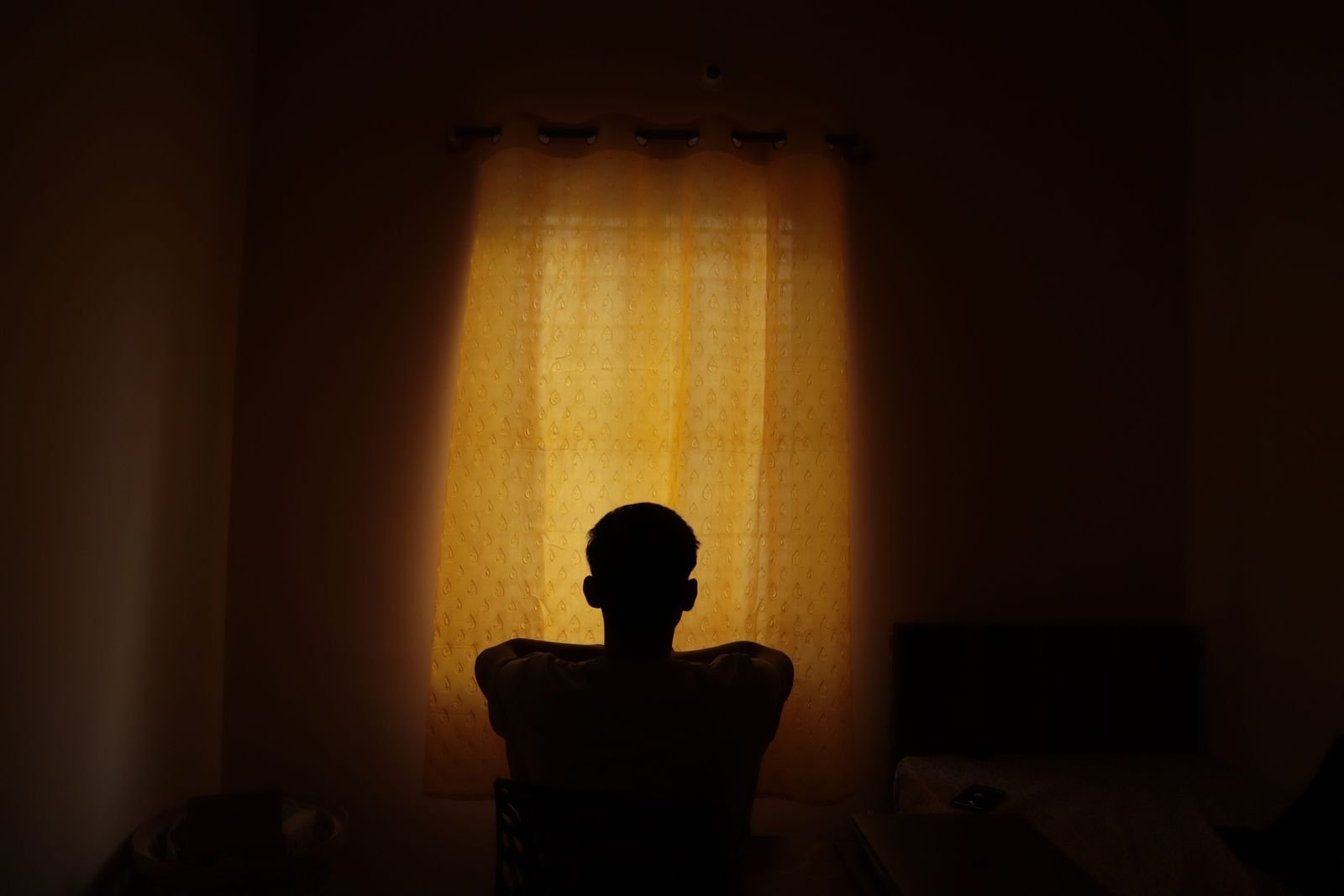
You can be surrounded by colleagues all day, have hundreds of followers online, even live with family, and still feel deeply alone. Loneliness is one of the most common human experiences, and one of the least talked about.
Loneliness Is a Feeling, Not a Headcount
Psychologists distinguish between two related ideas. Social isolation is objective: having few relationships or little contact with others. Loneliness is subjective: the painful feeling that the connection you have doesn't match the connection you need. That is why someone with a busy social life can feel lonely, while someone who lives quietly with a few close friends may feel perfectly content.
What matters most isn't the number of people in your life, but whether you feel seen, understood, and able to be yourself with them.
A Global Health Issue
In 2025, the World Health Organization's Commission on Social Connection published its first global report on the topic. It estimated that around 1 in 6 people worldwide experience loneliness, and that loneliness is linked to more than 871,000 deaths every year, roughly 100 every hour. Young people aged 13 to 29 reported some of the highest rates.
The report also highlighted that lonely people are about twice as likely to experience depression, and that loneliness and isolation raise the risk of heart disease, stroke, diabetes, and cognitive decline. Earlier research by psychologist Julianne Holt-Lunstad, analysing data from over 300,000 people, found that people with stronger social relationships had about a 50% greater likelihood of survival over the study period.
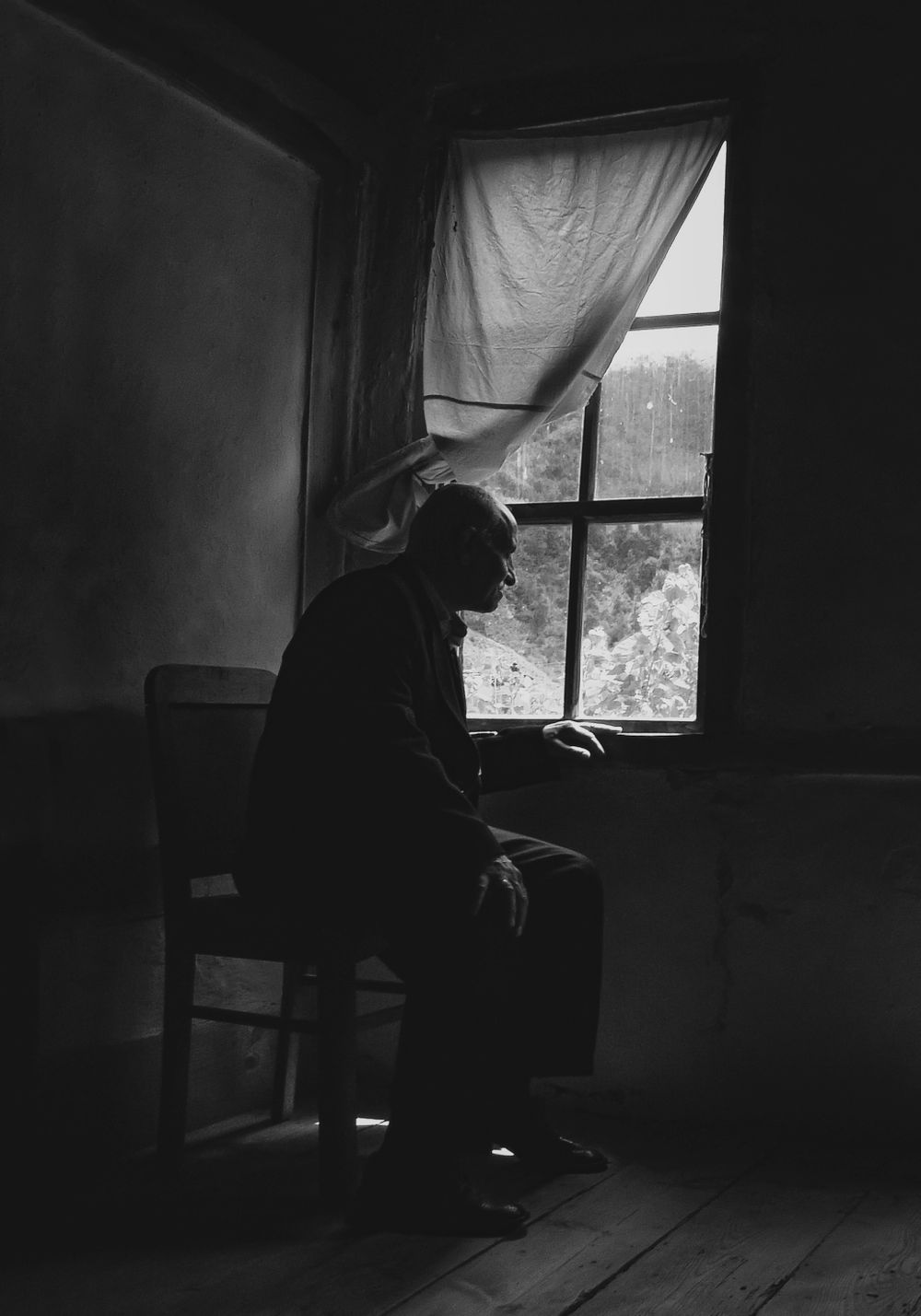
Loneliness can affect anyone, at any age. Photo: Harun Tan / Pexels
Why Loneliness Hurts So Much
The late neuroscientist John Cacioppo, a pioneer in this field, described loneliness as a biological signal, much like hunger or thirst. Hunger tells us to find food; loneliness tells us to seek connection, because for our ancestors, being cut off from the group was dangerous.
But this signal has a side effect. When we feel lonely, the brain shifts into a kind of self-protective mode. We become more alert to rejection, more likely to interpret neutral faces or messages as unfriendly, and more cautious about reaching out. This can create a painful cycle: loneliness makes us withdraw, and withdrawal deepens loneliness.
Signs You Might Be Lonely
- Feeling empty or disconnected even when you're with others
- Feeling that no one really knows or understands you
- Spending a lot of time scrolling social media but feeling worse afterwards
- Feeling anxious or self-conscious in social situations you used to enjoy
- Low mood, poor sleep, or low energy without an obvious cause
- Craving contact but finding it hard to reach out
Gentle Steps to Reconnect
1. Name the feeling without shame
Loneliness is not a personal flaw; it's a human signal. Acknowledging "I feel lonely" is the first step toward responding to that need with care instead of self-criticism.
2. Start small
You don't need to build a new social circle overnight. Send a message to an old friend, call a relative, or have a short, warm exchange with a neighbour or shop owner. Small moments of connection add up.
3. Choose depth over breadth
One honest conversation can do more than many surface-level interactions. Try sharing something real about how you're doing, and ask others questions that invite more than a one-word answer.
4. Join something you care about
Shared activities make connection easier because the focus isn't only on socialising. Consider a class, a sports group, a volunteering project, a book club, or a community or faith group. Seeing the same faces regularly helps relationships grow naturally.

Small, regular moments together help relationships grow. Photo: Ketut Subiyanto / Pexels
5. Be mindful of the digital trap
Technology can help us stay in touch, but passive scrolling often leaves us comparing our lives to others'. Use your phone to arrange real conversations and meetings, not only to watch other people's lives.
6. Challenge the rejection lens
If you notice thoughts like "They probably don't want to hear from me," remember that loneliness makes the brain more sensitive to rejection. Research on social interactions suggests people often underestimate how much others enjoy hearing from them. Reach out anyway.
7. Offer connection to others
Helping others, whether through kindness, volunteering, or simply checking in on someone, builds a sense of belonging and purpose. Often, the person you reach out to feels lonely too.
When to Seek Support
If loneliness has lasted a long time, is linked with persistent sadness, hopelessness, or anxiety, or makes daily life feel heavy, speaking with a psychologist can help. Therapy offers a safe relationship in itself, and can help you understand patterns that make connection difficult, such as social anxiety, past hurt, or low self-worth.
A Final Thought
Feeling lonely doesn't mean something is wrong with you. It means you are human, and that you need what all humans need: to belong. Every small step you take toward others, and every moment you allow yourself to be seen, is a step out of isolation and back into connection.
References: World Health Organization Commission on Social Connection (2025), "From loneliness to social connection: charting a path to healthier societies"; Holt-Lunstad, J., Smith, T. B. & Layton, J. B. (2010), "Social relationships and mortality risk: a meta-analytic review," PLOS Medicine; Cacioppo, J. T. & Patrick, W. (2008), "Loneliness: Human Nature and the Need for Social Connection." This article is for educational purposes and is not a substitute for professional care.
Would you like to talk this through?
Reading helps, but change usually starts in conversation. Book a confidential session, online and in Arabic or English.