Personal Growth
Why We Put Things Off: The Real Psychology of Procrastination
Published

The report is due tomorrow. You open the document, stare at the blank page, and then, almost without noticing, you're checking your phone, tidying your desk, or reading the news. Hours later, the page is still empty and the guilt is growing. If this sounds familiar, you're far from alone.
It's Not About Laziness
Many people see procrastination as a character flaw: a lack of discipline, willpower, or motivation. But psychological research tells a different story. Lazy people don't care whether the task gets done. Procrastinators usually care a great deal; that's exactly why they feel so bad about delaying.
Psychologists define procrastination as voluntarily delaying an intended action despite expecting to be worse off for the delay. In other words, we know putting it off will cost us, and we do it anyway. That contradiction is the key to understanding it.
How Common Is It?
Procrastination is extremely widespread. In a major review of the research published in 2007, psychologist Piers Steel reported estimates that 80% to 95% of college students procrastinate, and research by psychologist Joseph Ferrari has suggested that around one in five adults are chronic procrastinators, delaying across many areas of life, from work to health to finances.
The Real Reason: Managing Feelings
Psychologists Fuschia Sirois and Timothy Pychyl, two leading researchers in this field, describe procrastination as a problem of emotion regulation, not time management. When a task makes us feel bored, anxious, confused, insecure, or overwhelmed, avoiding it offers instant relief. Our brain prioritises feeling better now over the needs of our future self.
The trouble is that the relief is temporary. The task is still there, and now it comes with added stress, guilt, and less time. Next time we face it, the negative feelings are even stronger, which makes avoiding it even more tempting. This creates a cycle that can be hard to break.

Distractions offer quick relief from uncomfortable tasks. Photo: Vlada Karpovich / Pexels
Common Feelings Behind Procrastination
- Fear of failure: "What if I do it and it's not good enough?"
- Perfectionism: waiting for the perfect moment, mood, or idea before starting.
- Overwhelm: the task feels so big that you don't know where to begin.
- Boredom or frustration: the task feels tedious or meaningless.
- Uncertainty: you're unclear about what exactly needs to be done.
- Resentment: you feel pushed into a task you didn't choose.
Noticing which feeling is driving your delay can make it much easier to respond to.
Evidence-Based Ways to Get Started
1. Make the first step tiny
Instead of "write the report," try "open the file and write one sentence." Small steps reduce the emotional barrier to starting, and once you begin, it's often easier to keep going.
2. Name the feeling
Ask yourself: What am I feeling about this task right now? Acknowledging "I feel anxious that this won't be good" takes some of the power out of the feeling, and reminds you that the discomfort is temporary and manageable.
3. Use "if-then" plans
Psychologist Peter Gollwitzer's research on implementation intentions shows that specific plans work better than vague goals. For example: "If it's 9 a.m., then I'll work on the presentation for 25 minutes." Deciding in advance removes the need to rely on motivation in the moment.
4. Work in short, focused bursts
Set a timer for 20 to 25 minutes, work on one task, then take a short break. Knowing there's an end in sight makes difficult tasks feel more manageable.
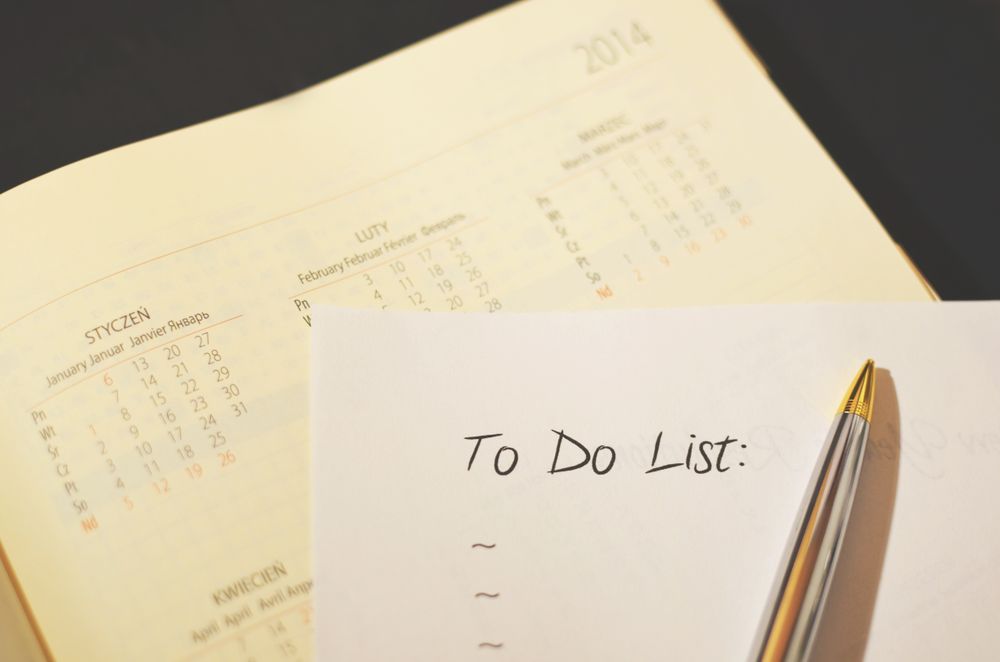
Breaking tasks into small, clear steps makes starting easier. Photo: Breakingpic / Pexels
5. Reduce friction for distractions
Make the tempting escape harder and the task easier. Put your phone in another room, close unnecessary tabs, and keep everything you need for the task ready and visible.
6. Connect with your future self
Picture yourself tomorrow, next week, or at the deadline. How will that version of you feel if you start today? Research suggests that feeling more connected to our future selves helps us make choices that benefit them.
7. Forgive yourself
This may be the most surprising tip. In a study by Michael Wohl, Timothy Pychyl, and Shannon Bennett, students who forgave themselves for procrastinating before their first exam procrastinated less when studying for the next one. Self-criticism adds more negative feelings, which feeds the avoidance cycle. Self-forgiveness helps you move forward.
When Procrastination Signals Something More
Sometimes chronic procrastination is linked to deeper difficulties such as anxiety, depression, ADHD, or perfectionism. If putting things off is seriously affecting your work, studies, relationships, or wellbeing, and self-help strategies aren't enough, speaking with a psychologist can help you understand what's underneath it and build new patterns.
A Final Thought
Procrastination isn't proof that you're lazy or incapable. It's a very human attempt to protect yourself from uncomfortable feelings. The way forward isn't more pressure or harsher self-talk, but understanding, small steps, and kindness toward yourself. Start with just one tiny action today; your future self will thank you.
References: Steel, P. (2007), "The nature of procrastination: a meta-analytic and theoretical review of quintessential self-regulatory failure," Psychological Bulletin; Sirois, F. & Pychyl, T. (2013), "Procrastination and the priority of short-term mood regulation," Social and Personality Psychology Compass; Wohl, M. J. A., Pychyl, T. A. & Bennett, S. H. (2010), "I forgive myself, now I can study," Personality and Individual Differences; Gollwitzer, P. M., research on implementation intentions. This article is for educational purposes and is not a substitute for professional care.
Would you like to talk this through?
Reading helps, but change usually starts in conversation. Book a confidential session, online and in Arabic or English.