Stress & Burnout
Running on Empty: Understanding Burnout and How to Recover
Published

You wake up tired, even after a full night's sleep. Tasks that once felt easy now feel heavy. You care less, snap more, and wonder where the old version of you went. If this sounds familiar, you may be experiencing more than ordinary stress. You may be burning out.
Stress vs. Burnout: What's the Difference?
Stress itself isn't the enemy. In short bursts, it's a helpful survival response: your body releases hormones like adrenaline and cortisol, your heart beats faster, and your focus sharpens so you can meet a challenge. When the challenge passes, your body returns to balance.
The problem begins when the challenge never passes. When demands stay high week after week, and there's no real chance to recover, the stress response stays switched on. Over time, the system that was designed to protect you starts to wear you down.
A simple way to see the difference: stress is often about "too much", too many demands, too much pressure, too little time. Burnout is about "not enough": not enough energy, not enough motivation, not enough of yourself left to give. A stressed person still believes that if they can just get everything under control, they'll feel better. A burned-out person often stops believing that at all.
What Psychology Says About Burnout
In 2019, the World Health Organization included burnout in the International Classification of Diseases (ICD-11). Importantly, it is classified as an occupational phenomenon, not a medical condition. The WHO describes it as a syndrome "resulting from chronic workplace stress that has not been successfully managed."
Building on decades of research by psychologist Christina Maslach, the WHO identifies three core dimensions:
- Exhaustion: feeling drained, depleted, and physically or emotionally worn out.
- Mental distance or cynicism: feeling detached from your work, negative about it, or simply numb.
- Reduced effectiveness: a sense that you're no longer doing good work or achieving anything meaningful.
While the official definition focuses on work, many people recognise the same pattern in other demanding roles, such as caring for a family member, parenting, or studying under constant pressure.

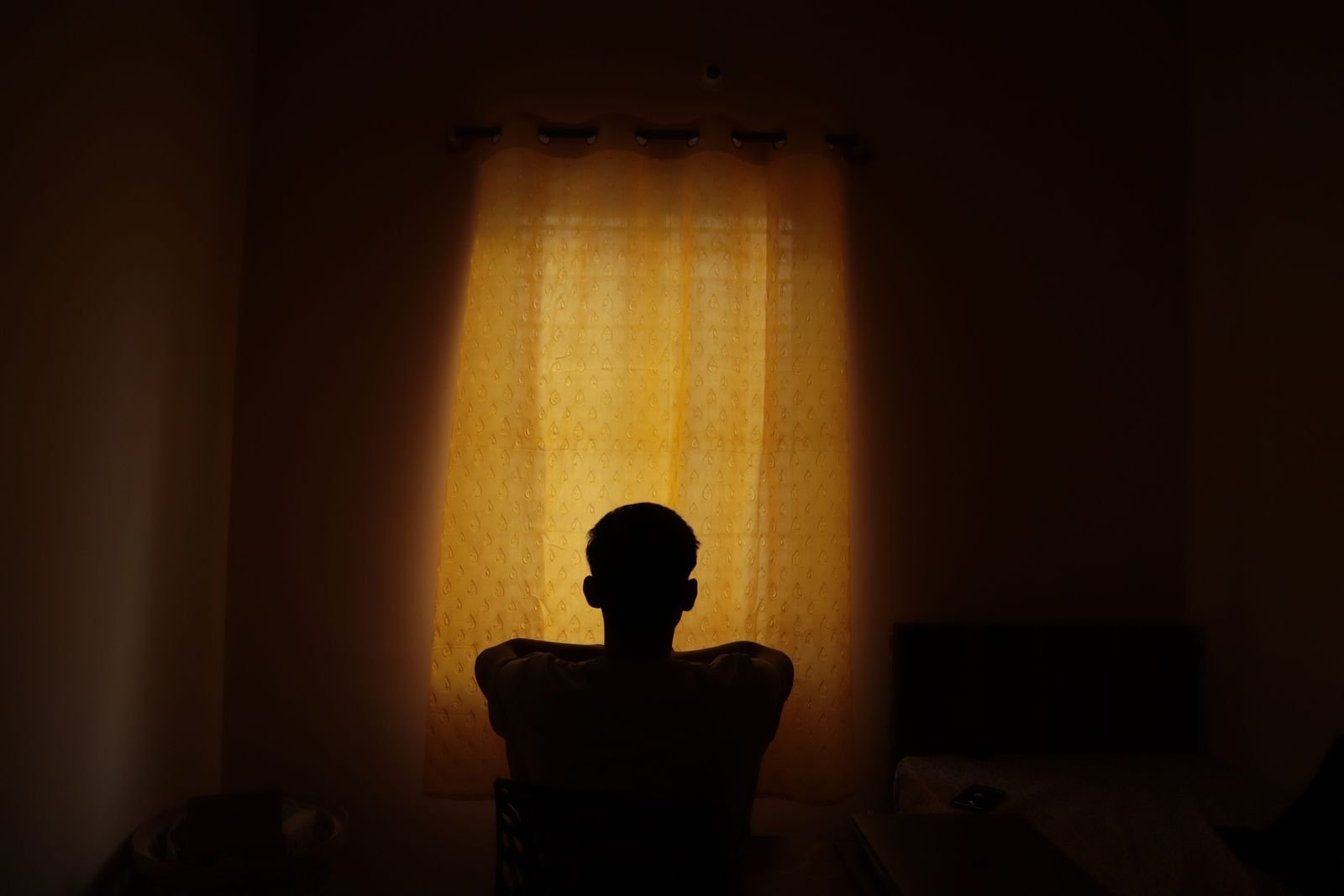
Burnout builds slowly, often long before we notice it. Photo: Yan Krukau / Pexels
Warning Signs to Watch For
Burnout rarely arrives overnight. It creeps in gradually, which is why so many people miss the early signals. Common signs include:
- Constant fatigue that rest doesn't seem to fix
- Trouble sleeping, or sleeping a lot but never feeling refreshed
- Irritability, impatience, or feeling emotionally flat
- Difficulty concentrating or remembering things
- Dreading work or responsibilities, even on a Sunday evening
- Withdrawing from friends, family, or activities you used to enjoy
- Physical symptoms such as headaches, stomach problems, or getting sick more often
- Feeling like nothing you do makes a difference
If you notice several of these lasting for weeks, it's a signal worth taking seriously, not a personal weakness to push through.
Why Burnout Happens: It's Not Just You
It's tempting to see burnout as a personal failure: I should be stronger, more organised, more resilient. But research tells a different story. Maslach and her colleague Michael Leiter identified six areas where a mismatch between a person and their environment tends to fuel burnout:
- Workload: too much to do, with too few resources.
- Control: little say over how, when, or what you work on.
- Reward: effort that goes unrecognised, financially or emotionally.
- Community: poor relationships, conflict, or isolation.
- Fairness: feeling treated unjustly or unequally.
- Values: being asked to act in ways that conflict with what matters to you.
Understanding this can be a relief. Burnout is often a reasonable response to an unreasonable situation. That also means recovery isn't only about "self-care." Sometimes it requires changing the situation itself.
How to Recover: Evidence-Based Steps
Recovery takes time, and there's no single fix. But psychology offers several reliable starting points.
1. Truly switch off
Researchers who study recovery, notably work psychologist Sabine Sonnentag, highlight psychological detachment: mentally disconnecting from work during your time off. Checking emails in bed or replaying meetings during dinner keeps your stress response active. Set clear boundaries, such as a fixed finishing time, notifications off in the evening, and a small ritual that marks the end of the workday.
2. Protect your sleep
Sleep is where much of your physical and emotional repair happens, and poor sleep and burnout tend to feed each other. Aim for consistent sleep and wake times, reduce screens before bed, and give yourself a wind-down period rather than going straight from work mode to lights out.
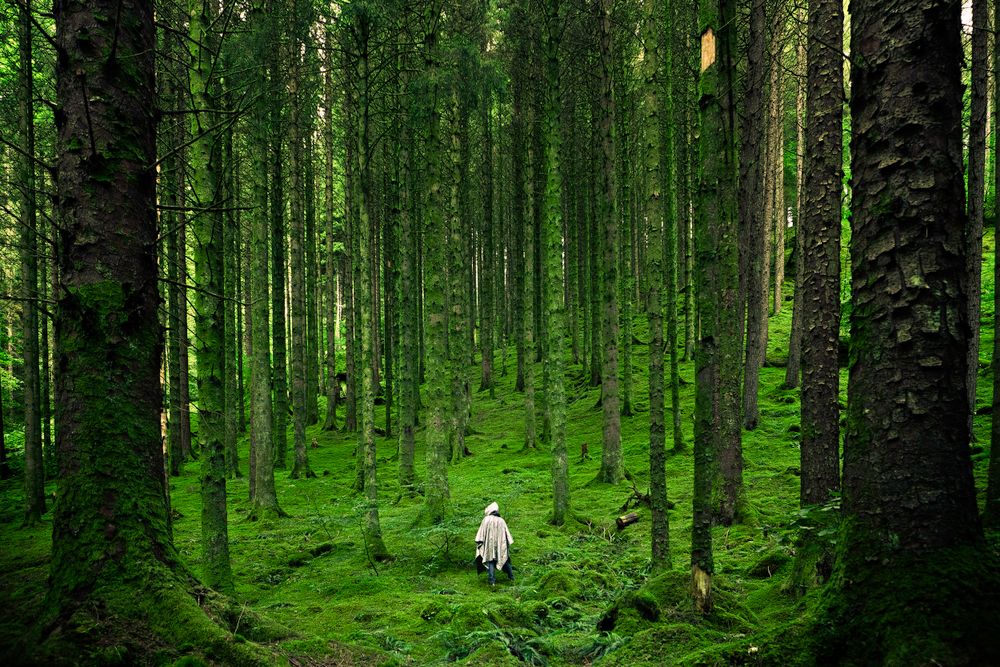
Time in nature and gentle movement help the body step out of stress mode. Photo: Luis del Río / Pexels
3. Move your body, gently
Physical activity helps the body process stress hormones and improves mood. You don't need intense workouts; a daily walk, especially outdoors, stretching, or light exercise can make a real difference when your energy is low.
4. Reconnect with people
Burnout pushes us to withdraw, yet social connection is one of the strongest buffers against stress. Talk honestly with someone you trust. Simply feeling heard can ease the weight you've been carrying alone.
5. Rebuild a sense of control and meaning
Look at the six areas above. Which ones are hurting you most? Maybe you can renegotiate a deadline, delegate a task, ask for clearer expectations, or say no to one extra commitment. Small changes in control can restore a surprising amount of energy. It also helps to reconnect with why you do what you do, or to notice where your values and your daily reality have drifted apart.
6. Be kind to yourself
Harsh self-criticism adds another layer of stress. Try speaking to yourself the way you would to a close friend who was struggling. Recovery is not a race, and slowing down is not failure.
When to Seek Professional Help
Burnout and depression can share symptoms, and long-term burnout can increase the risk of anxiety and depression. Consider speaking with a psychologist, counsellor, or doctor if:
- Your symptoms last for weeks despite rest and changes
- You feel hopeless, empty, or unable to enjoy anything, including outside of work
- Your sleep, appetite, or health are seriously affected
- You're struggling to function in daily life
If you ever have thoughts of harming yourself, please reach out to a mental health professional or local emergency services right away. Asking for help is a sign of strength, not weakness.

Recovery begins with permission to pause. Photo: Natali Smirnova / Pexels
A Final Thought
Burnout is not a sign that you're weak or not good enough. More often, it's a sign that you've been strong for too long without enough support. Your exhaustion is information: it's telling you that something needs to change.
Start small. Choose one step from this article and try it this week. Recovery doesn't happen all at once, but every boundary you set and every moment of rest you allow yourself is a step back toward feeling like you again.
References: World Health Organization (2019), "Burn-out an 'occupational phenomenon': International Classification of Diseases"; Maslach, C. & Leiter, M. P., research on burnout and the six areas of worklife; Sonnentag, S., research on psychological detachment and recovery from work. This article is for educational purposes and is not a substitute for professional diagnosis or treatment.
Would you like to talk this through?
Reading helps, but change usually starts in conversation. Book a confidential session, online and in Arabic or English.