Mental Health
Why Don't I Enjoy Anything Anymore? Understanding Anhedonia
Published

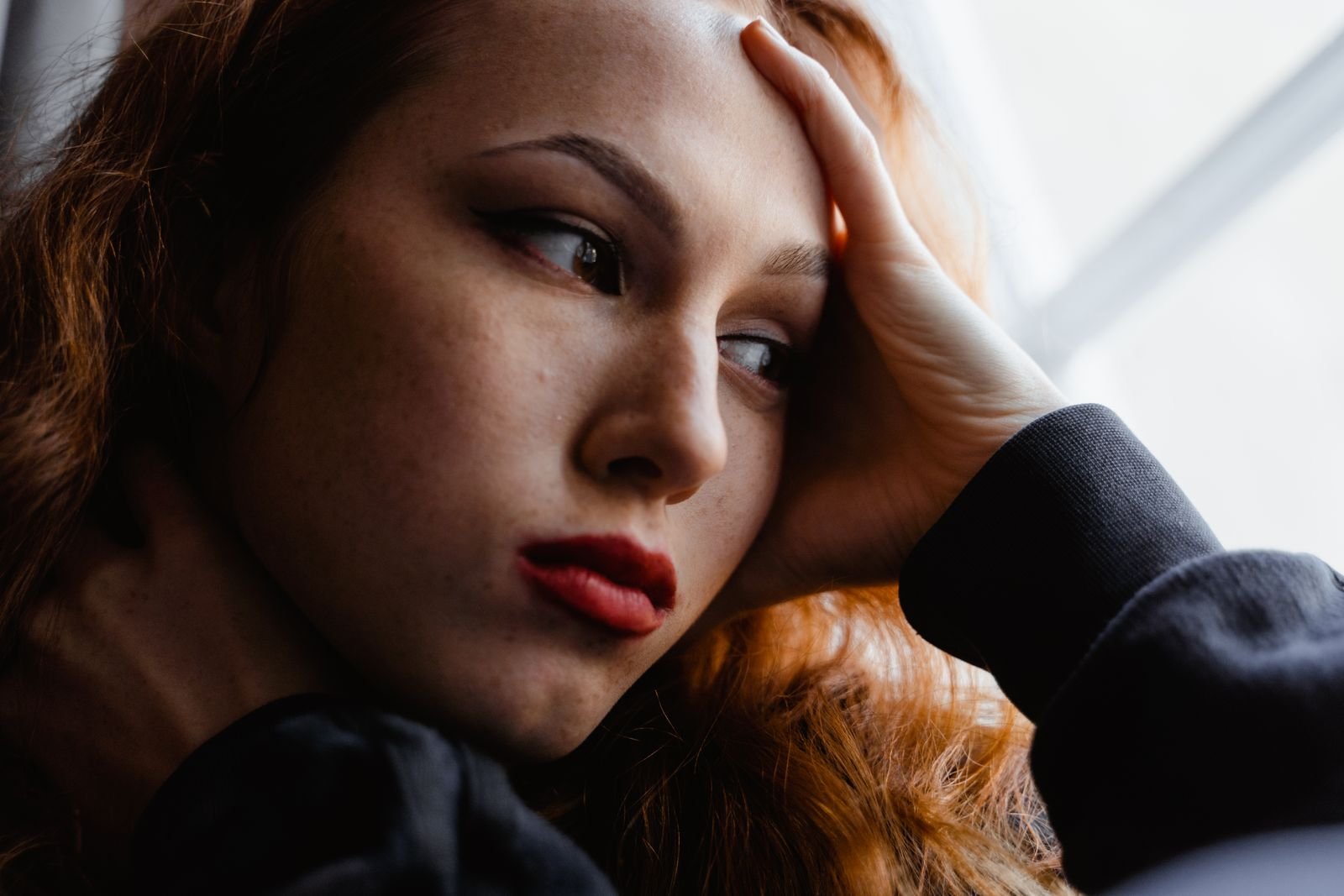
You used to love weekend coffee with friends, your favourite series, or that long walk at sunset. Now you go through the motions and feel… nothing much. You're not necessarily sad. Things just feel flat, grey, and distant. If you've ever typed "why don't I enjoy anything anymore?" into a search bar, you're not alone, and there is a name for this experience.
What Is Anhedonia?
Anhedonia (from the Greek for "without pleasure") is a reduced ability to feel pleasure or interest in things that would normally be enjoyable. People often describe it as emotional numbness, feeling "empty," or living life in black and white.
It is one of the two core symptoms of major depression listed in the DSM-5, the diagnostic manual used by mental health professionals, alongside persistent low mood. Research estimates that it affects a large share of people with depression: a 2025 study published in PLOS ONE found that 61.5% of patients with depression reported it, and other studies suggest the figure may be over 80%.
Two Sides of Pleasure: Wanting and Liking
Neuroscientist Kent Berridge's research shows that pleasure has more than one component. Psychologists now often distinguish between two forms of anhedonia:
- Anticipatory anhedonia ("wanting"): losing motivation, excitement, or interest in doing things. You don't look forward to plans, and starting anything feels effortful.
- Consummatory anhedonia ("liking"): not enjoying things in the moment, even when you do them. The food tastes bland, the joke isn't funny, the hug feels distant.
Many people with anhedonia find the "wanting" side is affected most. This matters, because it means you might still enjoy something once you start, even if you don't feel like doing it beforehand.
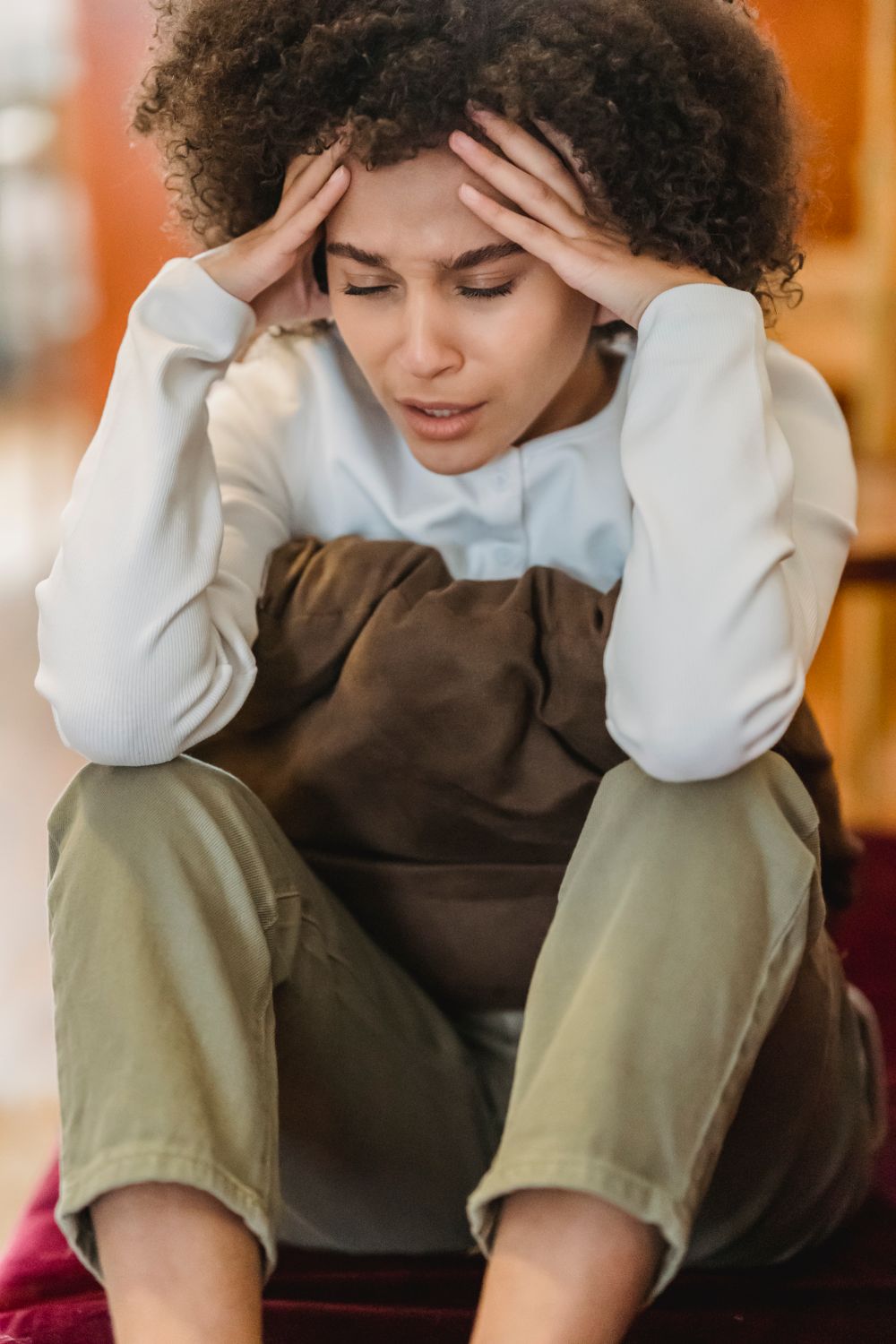
Anhedonia can make once-loved activities feel flat and effortful. Photo: Liza Summer / Pexels
Common Signs
- Losing interest in hobbies, music, food, or activities you used to love
- Withdrawing from friends or feeling disconnected during social time
- Feeling emotionally "flat" or numb, rather than sad
- Little motivation to start or plan anything
- Reduced interest in affection or intimacy
- Feeling that good news doesn't really land
What Causes It?
Anhedonia is most commonly linked to depression, but it can also appear with chronic stress and burnout, anxiety, post-traumatic stress, substance use, some physical illnesses, and certain medications. It is closely connected to the brain's reward system, the network that helps us anticipate, pursue, and enjoy rewarding experiences, in which the chemical messenger dopamine plays an important role.
Prolonged stress can dampen this system. So can withdrawal: when we stop doing things because they don't feel rewarding, we get even fewer chances to experience reward, which deepens the flatness. Research has also linked anhedonia to more severe depression, a slower response to treatment, and a higher risk of relapse, which is why it deserves attention rather than being brushed off as "just a phase."
Ways to Help Pleasure Return
1. Act first, feel later
One of the best-studied approaches for depression, behavioural activation, is based on a simple idea: instead of waiting to feel motivated, you schedule small, meaningful activities and do them anyway. Over time, action can rekindle interest. In a well-known 2006 trial led by psychologist Sona Dimidjian, behavioural activation performed as well as antidepressant medication for many people with more severe depression.
2. Start very small
Choose tiny, achievable steps: listen to one song, step outside for five minutes, message one friend. Small wins are easier to start and still give your reward system something to work with.
3. Practise savouring
Savouring means deliberately paying attention to positive moments, however small. Notice the warmth of your tea, the sunlight on your face, or a kind message. Research by psychologist Fred Bryant suggests that consciously lingering on good experiences can strengthen positive feelings over time.

Savouring small moments can help gently reawaken enjoyment. Photo: Letícia Alvares / Pexels
4. Track mood and activities
Keep a simple diary of what you did and rate how it felt from 0 to 10. Many people discover that some activities lift their mood slightly more than they expected. Those small differences show you where to start.
5. Look after the basics
Regular sleep, daylight, movement, and nourishing food all support the brain systems involved in motivation and pleasure. Physical activity in particular has been shown to help with depressive symptoms.
6. Stay connected, even when it feels flat
Social contact may not feel rewarding at first, but isolation tends to make anhedonia worse. Low-pressure contact, such as a walk with a friend or a short call, can help keep the door open.
7. Be patient and kind with yourself
Pleasure often returns gradually, sometimes first as brief flickers of interest. Notice them, and resist judging yourself for not feeling "back to normal" yet.
When to Seek Professional Help
Anhedonia is a symptom worth taking seriously. If it lasts for more than two weeks, comes with low mood, changes in sleep or appetite, hopelessness, or makes daily life difficult, please speak with a psychologist, psychiatrist, or doctor. Effective treatments are available, including psychotherapy and, where appropriate, medication.
If you ever have thoughts of ending your life or harming yourself, please contact a mental health professional or your local emergency services right away. You deserve support, and you don't have to face this alone.
A Final Thought
Losing joy can be frightening, especially when you can't explain why. But anhedonia is not a permanent state or a sign that something is wrong with who you are. With understanding, small steps, and the right support, colour can slowly return to the things you love.
References: American Psychiatric Association (2013), DSM-5; Lee et al. (2025), "Prevalence and burden of anhedonia among patients with major depressive disorder in South Korea," PLOS ONE; Berridge, K. C. & Robinson, T. E., research on "wanting" and "liking"; Dimidjian, S. et al. (2006), randomized trial of behavioral activation, cognitive therapy, and antidepressant medication, Journal of Consulting and Clinical Psychology; Bryant, F. B. & Veroff, J. (2007), "Savoring: A New Model of Positive Experience." This article is for educational purposes and is not a substitute for professional diagnosis or treatment.
Would you like to talk this through?
Reading helps, but change usually starts in conversation. Book a confidential session, online and in Arabic or English.